


In today’s fast-paced world, many individuals endure long weeks filled with physical exertion, mental stress, and limited rest. Whether it’s athletes pushing their bodies to the limit or office workers sitting for extended hours, recovery becomes an essential aspect of maintaining overall well-being and performance. Massage chairs have gained popularity as a convenient tool to aid in recovery, promising relaxation and therapeutic benefits. But do massage chairs truly help with recovery after long weeks?
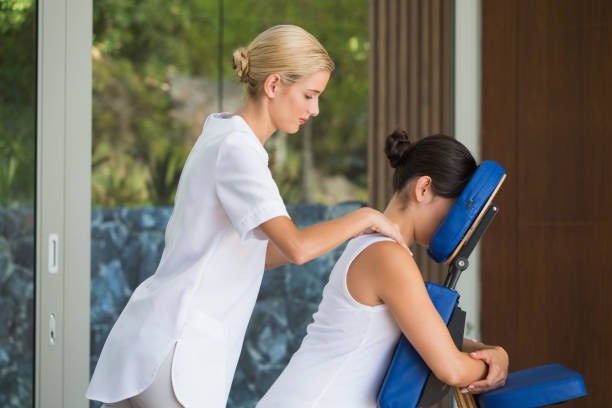
Massage therapy is widely recognized for its ability to improve circulation, reduce muscle tension, alleviate pain, and promote relaxation. Traditional hands-on massages performed by professionals target specific muscles and pressure points tailored to individual needs. Massage chairs attempt to replicate some of these benefits through mechanical rollers, airbags, heat functions, and vibration modes designed to mimic various massage techniques such as kneading or tapping.
One of the primary ways massage chairs may assist in recovery is by enhancing blood flow. Improved circulation helps deliver oxygen and nutrients more efficiently to fatigued muscles while facilitating the removal of metabolic waste products like lactic acid that build up during intense activity. This process can reduce soreness and stiffness commonly experienced after prolonged periods of physical or mental stress.
Additionally, massage chairs often incorporate heat therapy which can further relax muscles by increasing tissue elasticity and reducing muscle spasms. The combination of warmth with targeted pressure may help break down adhesions within muscle fibers-areas where tightness restricts movement-and promote flexibility over time.
Another significant benefit lies in stress relief. Prolonged weeks often come with heightened cortisol levels due to persistent stressors affecting both mind and body negatively. Using a massage chair reviews encourages relaxation responses by activating the parasympathetic nervous system-the part responsible for calming effects-which can lower heart rate and blood pressure while improving mood.
However, it is important to acknowledge limitations when considering massage chairs for recovery purposes. Unlike professional therapists who adjust technique based on feedback or injury specifics, machines operate on preset programs without customization beyond intensity settings. For individuals with certain medical conditions such as deep vein thrombosis or severe musculoskeletal injuries, using a massage chair without medical advice could be contraindicated.
Moreover, although beneficial as a supplementary tool for relaxation and mild muscle relief after demanding weeks, relying solely on a massage chair cannot replace comprehensive recovery strategies including proper nutrition hydration quality sleep active rest days stretching physical therapy when necessary.
In conclusion, massage chairs offer several advantages that support recovery following long weeks marked by physical strain or mental fatigue through improved circulation reduced muscle tension application of heat therapy along with promoting relaxation responses within the nervous system. While they are not substitutes for professional care or holistic health practices essential in full recovery regimes they serve effectively as accessible aids complementing other restorative measures contributing positively toward overall wellness maintenance after prolonged periods of exertion or stress.